
AleksandrTolstov
“ Aircraft specifications are numbers, while your comfort is my job. Message me to discuss the details.
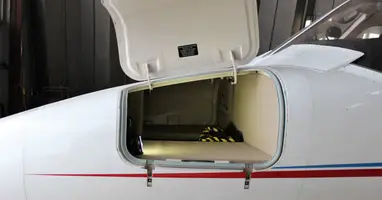
Capacity
up to 6 pax
Cabin height
1.45 m
Flight time
Baggage
Rental price
5,000 € / hour5,900 $ / hour
Estimated cost
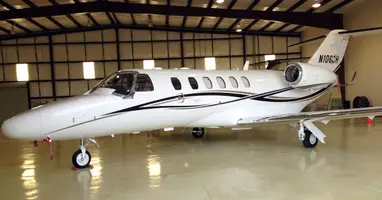
Capacity
up to 8 pax
Cabin height
1.45 m
Flight time
Baggage
Rental price
5,550 € / hour6,556 $ / hour
Estimated cost
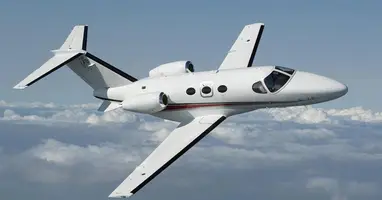
Capacity
up to 5 pax
Cabin height
1.37 m
Flight time
Baggage
Rental price
5,000 € / hour5,900 $ / hour
Estimated cost
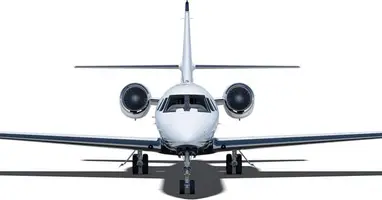
Capacity
up to 9 pax
Cabin height
1.73 m
Flight time
Baggage
Rental price
8,000 € / hour9,440 $ / hour
Estimated cost

Capacity
up to 9 pax
Cabin height
1.73 m
Flight time
Baggage
Rental price
8,000 € / hour9,440 $ / hour
Estimated cost
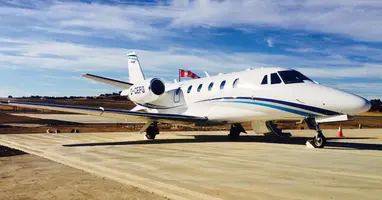
Capacity
up to 9 pax
Cabin height
1.73 m
Flight time
Baggage
Rental price
7,200 € / hour8,522 $ / hour
Estimated cost
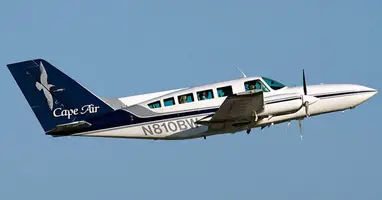
Capacity
up to 9 pax
Cabin height
1.22 m
Flight time
Baggage
Rental price
5,200 € / hour6,162 $ / hour
Estimated cost
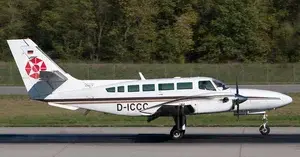
Capacity
up to 14 pax
Cabin height
1.21 m
Flight time
Baggage
Rental price
1,200 € / hour1,416 $ / hour
Estimated cost
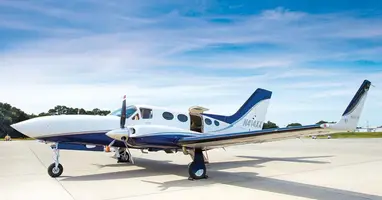
Capacity
up to 8 pax
Cabin height
1.3 m
Flight time
Baggage
Rental price
5,200 € / hour6,162 $ / hour
Estimated cost
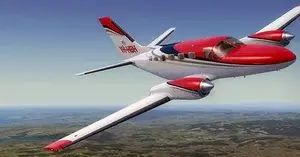
Capacity
up to 10 pax
Cabin height
-
Flight time
Baggage
Rental price
1,200 € / hour1,416 $ / hour
Estimated cost
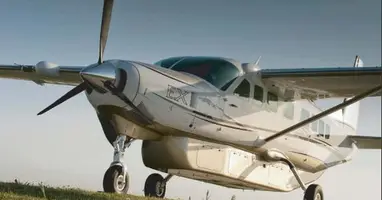
Capacity
up to 9 pax
Cabin height
1.31 m
Flight time
Baggage
Rental price
5,200 € / hour6,162 $ / hour
Estimated cost
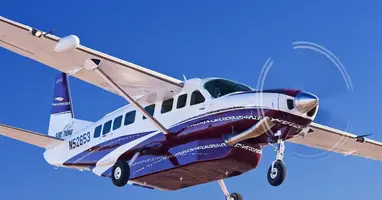
Capacity
up to 13 pax
Cabin height
1.3 m
Flight time
Baggage
Rental price
5,200 € / hour6,162 $ / hour
Estimated cost
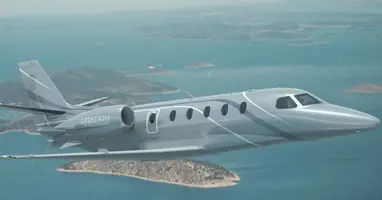
Capacity
up to 12 pax
Cabin height
1.52 m
Flight time
Baggage
Rental price
7,200 € / hour8,522 $ / hour
Estimated cost
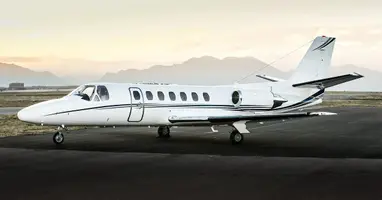
Capacity
up to 7 pax
Cabin height
1.45 m
Flight time
Baggage
Rental price
5,550 € / hour6,556 $ / hour
Estimated cost
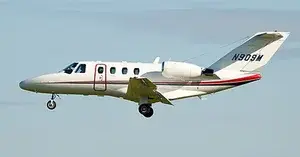
Capacity
up to 5 pax
Cabin height
1.45 m
Flight time
Baggage
Rental price
5,000 € / hour5,900 $ / hour
Estimated cost
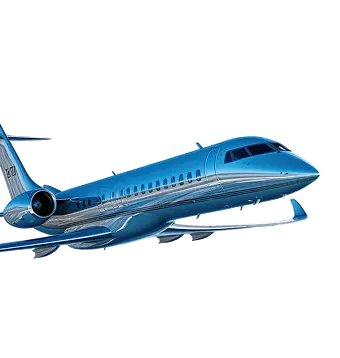
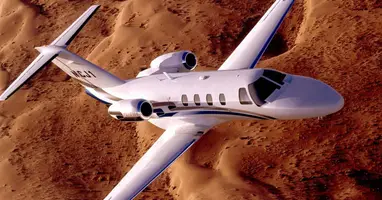
Capacity
up to 5 pax
Cabin height
1.45 m
Flight time
Baggage
Rental price
5,000 € / hour5,900 $ / hour
Estimated cost
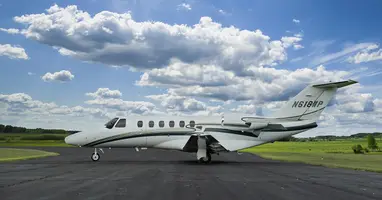
Capacity
up to 9 pax
Cabin height
1.45 m
Flight time
Baggage
Rental price
5,550 € / hour6,556 $ / hour
Estimated cost
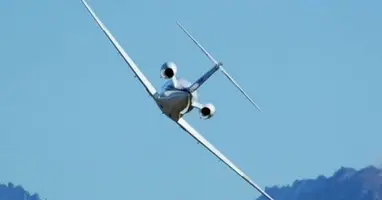
Capacity
up to 8 pax
Cabin height
1.45 m
Flight time
Baggage
Rental price
5,550 € / hour6,556 $ / hour
Estimated cost
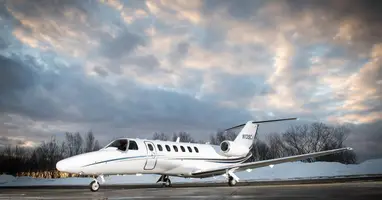
Capacity
up to 8 pax
Cabin height
1.45 m
Flight time
Baggage
Rental price
5,550 € / hour6,556 $ / hour
Estimated cost
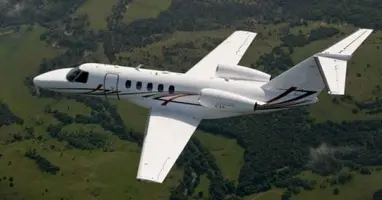
Capacity
up to 8 pax
Cabin height
1.45 m
Flight time
Baggage
Rental price
5,550 € / hour6,556 $ / hour
Estimated cost
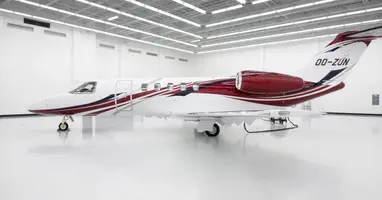
Capacity
up to 10 pax
Cabin height
1.4 m
Flight time
Baggage
Rental price
5,550 € / hour6,556 $ / hour
Estimated cost
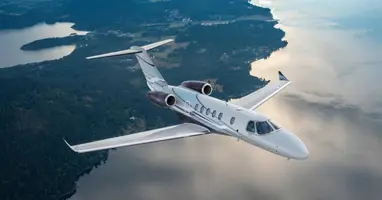
Capacity
up to 10 pax
Cabin height
1.47 m
Flight time
Baggage
Rental price
5,550 € / hour6,556 $ / hour
Estimated cost

Capacity
up to 8 pax
Cabin height
1.45 m
Flight time
Baggage
Rental price
5,550 € / hour6,556 $ / hour
Estimated cost
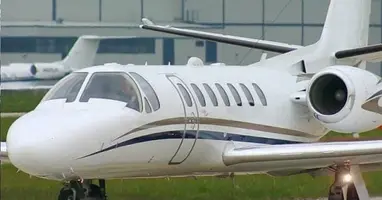
Capacity
up to 7 pax
Cabin height
1.45 m
Flight time
Baggage
Rental price
5,550 € / hour6,556 $ / hour
Estimated cost
Join 12,500+ subscribers and stay ahead of the curve.
Scan toopen Telegram
In the world of private aviation, few brands can boast such a rich heritage and influence on the industry's development as Cessna Textron. From small single-engine aircraft to modern business jets, Cessna has remained synonymous with reliability, innovation, and superior engineering for decades. In this article, we'll explore the evolution, current position, and future prospects of one of the leading manufacturers in business aviation.
Cessna's history began in 1911 when farmer Clyde Vernon Cessna built his first monoplane from wood and fabric. The company was officially founded in 1927 in Wichita, Kansas, and quickly established a reputation as a manufacturer of reliable and affordable aircraft.
The company's real breakthrough in business aviation came in 1969 with the introduction of the Citation I – Cessna's first business jet. This was in response to the growing demand for business travel, and the Citation quickly became one of the most popular business jets in the world. Unlike competitors who aimed to create the fastest aircraft, Cessna focused on economy, ease of operation, and reliability.
In 1992, Cessna became part of the Textron corporation, providing the company with additional resources for development and innovation. Today, Cessna Textron is a leading manufacturer of business jets, having delivered more than 7,500 Citation family aircraft.
Beyond the Citation series of jet aircraft, Cessna has also distinguished itself with its turboprop aircraft, which occupy an important niche in business aviation. These aircraft combine economy and the ability to use short runways with acceptable speed and range.
The Cessna Caravan is one of the most successful turboprop aircraft in aviation history. First introduced in 1981, the Caravan was designed as a versatile aircraft for various applications, including passenger transport, cargo delivery, and VIP transportation.
The Grand Caravan EX – the latest and most powerful version of this series – is equipped with a Pratt & Whitney PT6A-140 engine producing 867 hp. The aircraft can carry up to 14 passengers a distance of up to 1,689 km at a speed of 343 km/h. In VIP configuration, the Grand Caravan EX offers a spacious cabin that can be equipped with comfortable seats, entertainment systems, and other amenities befitting a business aircraft.
A special advantage of the Caravan is its operational flexibility. The aircraft can take off and land on unprepared strips less than 1000 meters long, making it ideal for accessing remote locations where jet aircraft cannot operate. This is particularly valuable for companies working in resource industries or for owners whose country houses or resorts are in hard-to-reach locations.
The Cessna Denali is the company's newest turboprop business aircraft, currently in the certification stage. The Denali represents Cessna's response to the growing demand for modern, economical premium-class turboprop aircraft.
The aircraft is equipped with the innovative General Electric Catalyst engine – the first completely new turboprop engine developed for general aviation in the last 50 years. This 1300 hp engine provides a cruising speed of up to 533 km/h and a range of up to 3,108 km.
Special attention in the Denali has been paid to passenger comfort. The flat-floor cabin has a height of 145 cm, ensuring ease of movement inside the aircraft. The cabin can be configured to accommodate 9 passengers in a standard layout or 4-6 passengers in a VIP variant with enhanced comfort.
Modern Garmin G3000 avionics with three touchscreens, autothrottle (a first in this class of aircraft), and synthetic vision system make the Denali one of the most technologically advanced turboprop aircraft on the market.
Cessna turboprop aircraft offer a number of significant advantages for certain segments of the business aviation market:
Economic Efficiency – operating costs of Cessna turboprop aircraft are 30-40% lower than jet aircraft of comparable passenger capacity.
Operational Flexibility – the ability to operate from short and unprepared runways provides access to thousands of small airports inaccessible to jet aircraft.
Reliability – turboprop engines such as the Pratt & Whitney PT6 used on Cessna aircraft have earned a reputation for being exceptionally reliable power plants with a mean time between failures of more than 40,000 hours.
Weather Resilience – the design of Cessna turboprop aircraft provides high resistance to turbulence and adverse weather conditions.
Environmental Friendliness – lower fuel consumption means a smaller carbon footprint, meeting growing environmental requirements.
These advantages make Cessna turboprop aircraft an attractive choice for regional flights, especially for business owners whose activities are concentrated in a specific geographic region, as well as for corporate flight departments seeking to optimize operational expenses.
Over more than 50 years, Cessna has developed an extensive line of business jets catering to various customer needs. Here is a complete list of Citation models, from historical to contemporary:
The Citation Longitude, introduced in 2019, became the new flagship in Cessna's business jet lineup. This super mid-size jet provides a range of up to 6,482 km and can carry up to 12 passengers at a maximum speed of 882 km/h.
The Longitude features a spacious cabin with a height of 1.83 m, providing exceptional comfort during long flights. The aircraft is equipped with two Honeywell HTF7700L engines with 7,665 pounds of thrust each, making it not only powerful but also economical to operate.
One of the key innovations of the Longitude is the automatic cabin pressure control system, which maintains a cabin altitude equivalent of no more than 1,814 m even when flying at the maximum altitude of 13,716 m. This significantly reduces passenger fatigue during long flights.
The Citation Latitude occupies a niche between mid-size and super mid-size business jets. Since its introduction in 2015, this aircraft has become the best-selling in its class thanks to a unique combination of spacious cabin and affordable price.
The Latitude can accommodate up to 9 passengers and provides a range of 5,000 km. The aircraft is equipped with two Pratt & Whitney PW306D1 engines and has a maximum cruising speed of 826 km/h.
Special attention during the development of the Latitude was paid to passenger comfort. The aircraft has the widest cabin in its class (1.96 m) and a flat floor, creating a sense of spaciousness and comfort. The onboard entertainment system includes high-speed internet and individual media systems for each passenger.
The Citation M2 is a light business jet, ideal for first-time owners and small companies. This aircraft, launched in 2013, is a modernized version of the Citation CJ1+ and offers excellent value for money.
The M2 can carry up to 7 passengers a distance of up to 2,871 km at a cruising speed of 721 km/h. The aircraft is equipped with two Williams FJ44-1AP-21 engines and modern Garmin G3000 avionics, making it simple and safe to operate.
Despite its compact size, the M2 provides comfortable conditions for passengers with a cabin height of 1.45 m and a multifunctional salon that can be configured for work or relaxation.
Cessna business jets are equipped with modern Garmin G5000 avionics, considered one of the most advanced systems in its class. This integrated flight management system includes high-resolution touchscreens, an enhanced ground proximity warning system (EGPWS), and an automatic collision avoidance system (TCAS II).
The G5000 significantly reduces pilot workload by automating many routine tasks and providing an intuitive interface for controlling all aircraft systems. The system also provides enhanced navigation capabilities, including three-dimensional maps and synthetic vision, which increases flight safety, especially in challenging weather conditions.
Cessna engineers pay special attention to passenger comfort. The latest Citation models are equipped with an active noise reduction system that reduces cabin noise by up to 20%. This allows passengers to rest, work, or communicate during the flight without discomfort.
Modern Cessna business jets are also equipped with a new generation pressurization system that provides a lower cabin altitude, reducing fatigue for passengers and crew.
Special attention is also paid to air quality on board. All new Citation models are equipped with an improved air circulation system that completely refreshes the cabin air every two minutes, which is especially relevant in the context of increased attention to passenger health.
Cessna continuously improves the aerodynamic characteristics of its aircraft. The latest Citation models have an improved wing profile that provides better lift and reduces drag.
Winglets on modern Citations not only improve the aesthetics of the aircraft but also significantly enhance fuel efficiency. For example, the Citation Longitude with its new winglet design provides up to 5% reduction in fuel consumption compared to previous models.
Cessna Textron actively participates in programs to introduce sustainable aviation fuel (SAF). All modern Citation business jets are certified to operate on a mixture of conventional fuel and SAF, which helps reduce the carbon footprint.
The company also invests in research to reduce emissions and noise. The latest engines installed on Citation aircraft meet the strictest environmental standards and provide a significant reduction in nitrogen oxide and carbon dioxide emissions.
As part of its sustainability program, Cessna Textron introduces environmentally friendly materials in the production of its aircraft and optimizes production processes to reduce environmental impact.
Cessna Textron is working on a project codenamed "Titan," which, according to some reports, is a new generation business jet designed to fill the niche between the Longitude and larger competitors. The new aircraft is expected to have an increased range and a more spacious cabin while maintaining the economic efficiency characteristic of Cessna aircraft.
The company is also actively exploring the possibilities of aviation electrification. Although a fully electric business jet remains a thing of the future, Cessna is working on hybrid power plants that can significantly reduce fuel consumption and emissions.
In the short term, the company plans to introduce electric ground movement systems that will allow aircraft to move around the airfield without using the main engines, reducing fuel consumption and noise pollution at airports.
Cessna Textron is actively implementing the concept of a "digital twin" in the process of developing and manufacturing aircraft. This allows creating detailed digital models of each component and system, which accelerates the design process, reduces the likelihood of errors, and facilitates aircraft maintenance.
The company is also developing advanced diagnostic and predictive maintenance systems that will use artificial intelligence to analyze data on the operation of all aircraft systems and predict potential problems before they occur.
Cessna Textron has one of the most extensive service networks in the industry, with more than 20 company-owned service centers and hundreds of authorized service centers worldwide. This provides Citation owners with prompt technical support anywhere on the planet.
The company also offers comprehensive Citation ProAdvantage maintenance programs that include scheduled maintenance, repair, and parts replacement at fixed rates, making operating costs more predictable.
For training pilots and technical personnel, Cessna Textron has built a modern training center equipped with advanced simulators and classrooms. This ensures a high level of training for specialists working with Citation aircraft.
Unlike Bombardier, which focuses on large long-range business jets, Cessna Textron offers a wider range of aircraft, from light to super mid-size. This makes Cessna products more accessible to various categories of customers.
Citation business jets also traditionally have lower operating costs compared to similar Bombardier models, which is a significant advantage in the long term.
Gulfstream positions its aircraft in the premium segment, emphasizing range and luxury. Cessna, on the other hand, offers more practical solutions with optimal value for money.
The Citation Longitude, Cessna's flagship, has a significantly lower acquisition and operating cost compared to Gulfstream models of a similar class, while maintaining a high level of comfort and technology.
The French company Dassault is known for its innovative technologies and military heritage. However, Falcon business jets require more specialized maintenance and have a less developed service network compared to Citation.
Cessna also offers more intuitive control systems, making Citation aircraft easier to operate for pilots transitioning from smaller aircraft.
The Brazilian manufacturer Embraer offers competitive business jets with innovative cabin design. However, Cessna has a longer history in business aviation and a wider range of models.
Citations are also distinguished by greater reliability and durability, which is confirmed by thousands of aircraft that have been in operation for decades.
For more than 50 years since the appearance of the first Citation, Cessna Textron has evolved from a manufacturer of small business jets to a company that defines industry standards. Today, Citation business jets and Cessna turboprop aircraft combine innovative technologies, unmatched reliability, and economic efficiency.
With the development of new technologies and growing demand for business travel, Cessna Textron continues to invest in research and development to remain at the forefront of business aviation. Future Citation and turboprop models promise even greater efficiency, comfort, and environmental friendliness, while maintaining the brand's traditional values – reliability and practicality.
By choosing a Cessna aircraft, owners get not just a vehicle, but access to a rich heritage, global support, and constant innovations that make Cessna Textron one of the leaders in global business aviation.