Regional Travel
Perfect for trips with 4–6 passengers and reliable dispatch.

Capacity
up to 10 pax
Speed
550 km/h
Range
4,064 km
Cabin height
—
Cabin length
—
Cabin width
—
Luggage
Estimated rental price
1,200 € / hour
1,416 $ / hour
Find your scenario
Perfect for trips with 4–6 passengers and reliable dispatch.
Access to shorter or weather-limited fields than light jets.
Ideal for small flight departments valuing straightforward systems.
Measurement system:
Range
4,064 km
Cruise Speed
550 km/h
Service Ceiling
10,668 m
Takeoff weight
4,468 kg
Number of Engines
2
Engine Model
Garrett TPE331-8-401S/402S
Passenger Capacity
up to 10 pax
Cabin Volume
245 cub.m
Aircraft Length
11.89 m
Aircraft Height
4.01 m
Wingspan
15.04 m

Rent price
All prices are estimates. Final costs are subject to real-time aircraft availability and individual mission details. Contact your JETVIP expert for a firm quote and the most competitive market rate for your trip.
Regional trips with 4–6 passengers where turbine dispatch reliability and altitude capability matter
Operations into shorter or more weather-limited fields than many light jets (subject to runway performance and obstacles)
Owner-operator or small flight department use cases that value straightforward systems and proven airframe/engine families
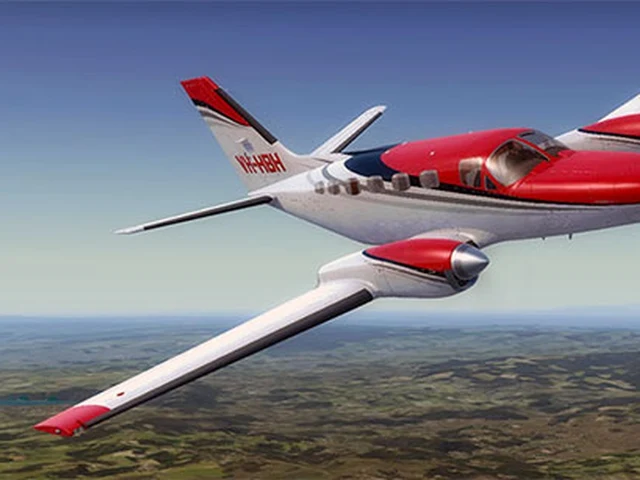
The Cessna 425 Conquest I is a legacy, pressurized, twin-engine turboprop designed for owners and operators who want turbine reliability and higher-altitude capability without moving into larger, heavier cabin-class aircraft. It is typically used for regional business travel, medical/priority transport, and utility missions that benefit from turboprop performance at mid-to-high flight levels and the ability to use a wide variety of airports.
Mission fit is strongest on short-to-mid stage lengths where climbing into the teens/low flight levels improves ride and weather options versus unpressurized aircraft, and where turboprop efficiency and airport access are more important than jet cruise speeds. It is less compelling when the mission consistently demands larger baggage capacity, more seats, or faster block times over longer distances.
The Conquest I offers a compact, pressurized cabin sized for small groups, typically arranged as a club seating layout with an aft bench or side-facing option depending on interior. Expect a functional cabin rather than a large-cabin experience: adequate space for work or conversation for a few passengers, with typical turboprop sound levels and a cabin cross-section that feels narrower than larger commuter-derived turboprops. Baggage capability varies by configuration and equipment, so operators often plan around a mix of cabin and baggage compartment loading.
Avionics and systems reflect an older airframe with many aircraft modernized through aftermarket upgrades. The platform tends to reward buyers who evaluate the specific aircraft’s avionics stack, pressurization performance, and engine/propeller status rather than assuming a uniform standard across the fleet. Many examples operate with contemporary GPS/FMS, ADS-B compliance, and upgraded autopilots, but capability varies widely by aircraft.
In service, the Conquest I is typically operated as a regional turbine step-up aircraft: fast enough to materially reduce trip times versus piston twins, able to fly above much of the weather, and flexible on airport choice compared with many jets. Operating outcomes depend on mission planning discipline (power settings, climb profiles), runway/obstacle environment, and how the aircraft is equipped for IFR and known-ice operations. Crew requirements and dispatch practices vary by operator standards and local regulations.
Number of aircraft of this model at each base.

Built / int. refit
1981 / 2014
Capacity
up to 7 pax
Cabin height
0 m
Rental price
1,200 € / hour1,416 $ / hour
Estimated cost