
AleksandrTolstov
“ Aircraft specifications are numbers, while your comfort is my job. Message me to discuss the details.

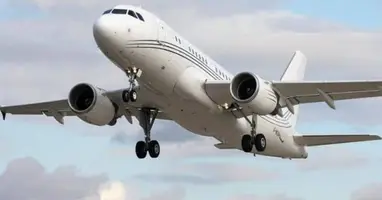
Capacity
up to 19 pax
Cabin height
2.25 m
Flight time
Baggage
Rental price
21,100 € / hour24,911 $ / hour
Estimated cost
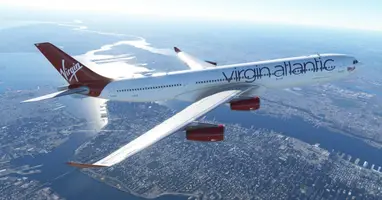
Capacity
up to 280 pax
Cabin height
5.28 m
Flight time
Baggage
Rental price
11,100 € / hour13,111 $ / hour
Estimated cost
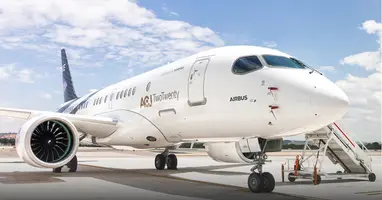
Capacity
up to 18 pax
Cabin height
2.1 m
Flight time
Baggage
Rental price
21,100 € / hour24,911 $ / hour
Estimated cost
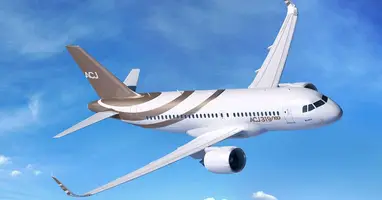
Capacity
up to 25 pax
Cabin height
2.25 m
Flight time
Baggage
Rental price
21,100 € / hour24,911 $ / hour
Estimated cost
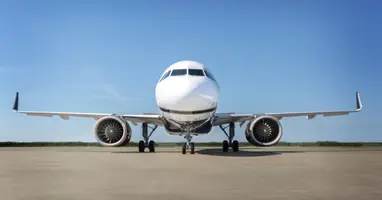
Capacity
up to 19 pax
Cabin height
2.25 m
Flight time
Baggage
Rental price
21,100 € / hour24,911 $ / hour
Estimated cost
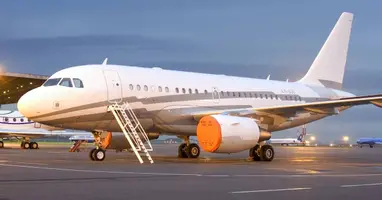
Capacity
up to 19 pax
Cabin height
2.25 m
Flight time
Baggage
Rental price
21,100 € / hour24,911 $ / hour
Estimated cost
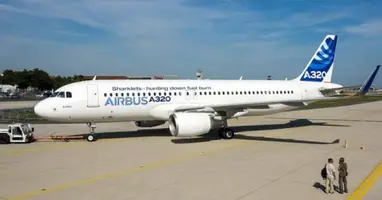
Capacity
up to 35 pax
Cabin height
3.7 m
Flight time
Baggage
Rental price
21,100 € / hour24,911 $ / hour
Estimated cost
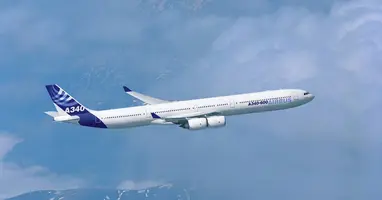
Capacity
up to 50 pax
Cabin height
2.41 m
Flight time
Baggage
Rental price
21,100 € / hour24,911 $ / hour
Estimated cost
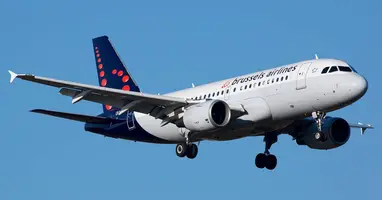
Capacity
up to 9 pax
Cabin height
2.3 m
Flight time
Baggage
Rental price
11,100 € / hour13,111 $ / hour
Estimated cost
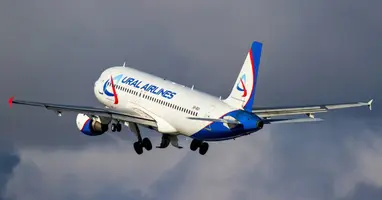
Capacity
up to 180 pax
Cabin height
2.3 m
Flight time
Baggage
Rental price
11,100 € / hour13,111 $ / hour
Estimated cost
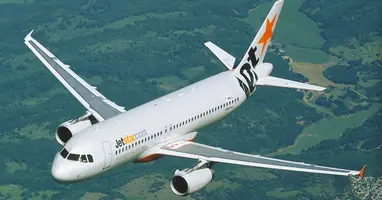
Capacity
up to 180 pax
Cabin height
-
Flight time
Baggage
Rental price
Price on request
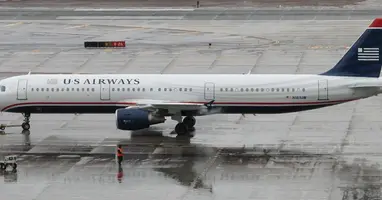
Capacity
up to 12 pax
Cabin height
-
Flight time
Baggage
Rental price
11,100 € / hour13,111 $ / hour
Estimated cost
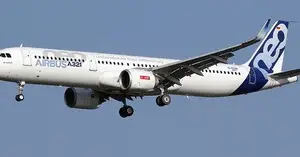
Capacity
up to 240 pax
Cabin height
-
Flight time
Baggage
Rental price
11,100 € / hour13,111 $ / hour
Estimated cost
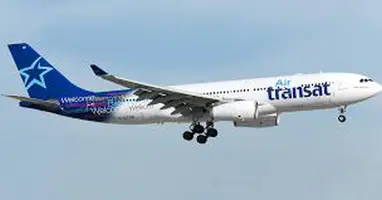
Capacity
up to 253 pax
Cabin height
-
Flight time
Baggage
Rental price
11,100 € / hour13,111 $ / hour
Estimated cost
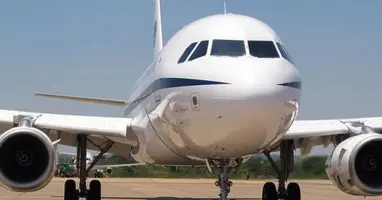
Capacity
up to 48 pax
Cabin height
2.21 m
Flight time
Baggage
Rental price
11,100 € / hour13,111 $ / hour
Estimated cost
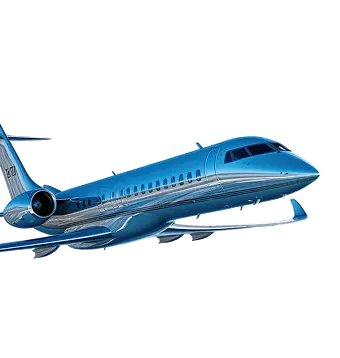
Join 12,500+ subscribers and stay ahead of the curve.
Scan toopen Telegram
A History of Innovation and Growth
Founded in 1970 as a consortium of European aerospace companies, Airbus was the result of a collaborative effort between France, Germany, and later Spain and the United Kingdom. Initially established to compete with American manufacturers, Airbus quickly evolved into one of the world's two largest aircraft producers.
The company's first model, the A300, was a groundbreaking wide-body, twin-engine aircraft that made its maiden flight in 1972. This was the first step in creating the diverse families of aircraft that Airbus is known for today.
Revolutionary Technologies
Airbus has been a pioneer in the implementation of digital technologies in aerospace. The company was the first to introduce the Fly-by-Wire flight control system on commercial airliners, starting with the A320 in the 1980s. This technology replaced mechanical control systems with electronic ones, significantly improving flight safety and efficiency.
Other important innovations from Airbus include:
Main Aircraft Families
The A320 Family
Airbus's best-selling family of narrow-body aircraft includes the following models:
In 2016, the A320neo modification was introduced with new engines, providing a 15-20% reduction in fuel consumption.
The A330/A340 Family
Wide-body, long-range aircraft:
The A350 XWB
A flagship, next-generation long-range aircraft, consisting of the following models:
The aircraft is composed of 70% advanced materials, including composites, titanium, and aluminum alloys.
The A380
The world's largest passenger aircraft with two full-length passenger decks. Despite the cessation of production in 2021, the A380 remains an important part of aviation history.
Military and Special Mission Aircraft
In addition to civil aviation, Airbus Defence and Space produces:
The Future of Airbus
The company is actively working on reducing the environmental impact of aviation. Plans include:
Airbus is also investing in the development of urban air mobility with the CityAirbus NextGen project – an electric vertical takeoff and landing (eVTOL) aircraft.
Economic Impact
Airbus directly employs over 130,000 people and supports hundreds of thousands of jobs in its global supply chain. The company's assembly lines are located in France, Germany, Spain, the United Kingdom, the United States, Canada, and China.
With a backlog consistently exceeding 7,000 aircraft, Airbus remains a key player in the global aerospace market and continues to make a significant contribution to the development of global aviation.