Corporate Travel
Ideal for transporting executives and teams comfortably.
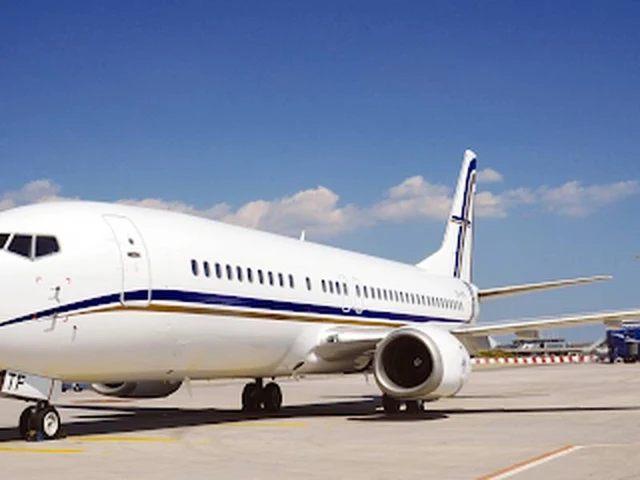

Capacity
up to 168 pax
Speed
870 km/h
Range
4,204 km
Cabin height
2.2 m
Cabin length
—
Cabin width
3.54 m
Luggage
Estimated rental price
11,100 € / hour
13,111 $ / hour
Find your scenario
Ideal for transporting executives and teams comfortably.
Perfect for large groups traveling together.
Nonstop capabilities for intercontinental journeys.
Offers a premium experience for discerning travelers.
Measurement system:
Range
4,204 km
Cruise Speed
870 km/h
Service Ceiling
11,300 m
Takeoff weight
68,050 kg
Number of Engines
2
Engine Model
CFM56-3B-2
Landing Distance
1540 m
Takeoff Distance
2540 m
Passenger Capacity
up to 168 pax
Cabin Width
3.54 m
Cabin Height
2.2 m
Aircraft Length
36.5 m
Aircraft Height
11.1 m
Wingspan
29.9 m

Rent price
All prices are estimates. Final costs are subject to real-time aircraft availability and individual mission details. Contact your JETVIP expert for a firm quote and the most competitive market rate for your trip.
Regional point-to-point passenger transport with short turn times
Utility operations requiring external-load or mission equipment options (as equipped)
Hot-and-high operations and mountainous regions where hover margins matter
The Bell 407 is a five-place (plus pilot) single-engine light helicopter commonly selected for mixed utility work where speed, hover performance, and straightforward line maintenance matter. It pairs a 4-blade main rotor with a proven turbine powerplant, aiming for predictable handling and good ride quality across a broad range of weights and loading. Typical buyers consider it for business and public-use roles that need quick point-to-point travel, external-load flexibility (as equipped), and access to confined or unimproved landing areas.
In day-to-day use, the 407 tends to fit operators who want a single-engine platform that can cover passenger movement, light utility, and special-mission profiles with one airframe. It is often used for corporate shuttle, EMS support roles in regions where single-engine is acceptable, public safety, and utility work. If your operating policy, insurance, or customer requirements demand twin-engine capability for overwater, IFR, or critical passenger missions, a twin may align better.
The 407’s cabin is designed around easy access and mission flexibility rather than a luxury layout. Large doors and a flat floor support quick loading for passengers or equipment, and typical seating can be configured to balance comfort with payload. Noise and vibration levels are generally acceptable for the class, but the experience will depend heavily on interior specification, soundproofing options, and installed mission equipment.
The Bell 407’s technology approach emphasizes mature systems and operational practicality. Avionics fit varies by production year and retrofit choices, ranging from analog panels to integrated glass cockpits with digital engine instrumentation and modern navigation capabilities. The platform is widely supported and commonly modified with role-specific equipment, so configuration control and documentation are key buyer considerations.
Operationally, the 407 is typically run on short-to-medium legs with frequent cycles, making turn-time, fueling logistics, and mission equipment readiness important. It is often chosen for its balance of cruise speed, climb performance, and hover capability for a single-engine helicopter. Real-world payload and range are most sensitive to density altitude, cabin fit-out, fuel reserves policy, and whether external-load provisions or specialty kits are installed.
Number of aircraft of this model at each base.
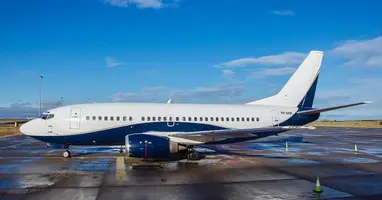
Built / int. refit
1991
Capacity
up to 56 pax
Cabin height
2.2 m
Rental price
11,100 € / hour13,111 $ / hour
Estimated cost
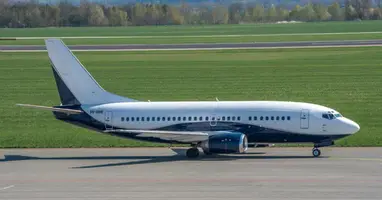
Built / int. refit
1994
Capacity
up to 120 pax
Cabin height
2.2 m
Rental price
11,100 € / hour13,111 $ / hour
Estimated cost
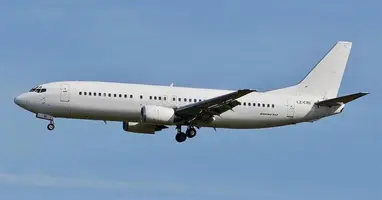
Capacity
up to 168 pax
Cabin height
2.2 m
Rental price
11,100 € / hour13,111 $ / hour
Estimated cost
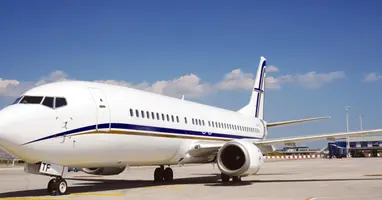
Built / int. refit
1996
Capacity
up to 64 pax
Cabin height
2.2 m
Rental price
11,100 € / hour13,111 $ / hour
Estimated cost