The History of Air Ambulance Services
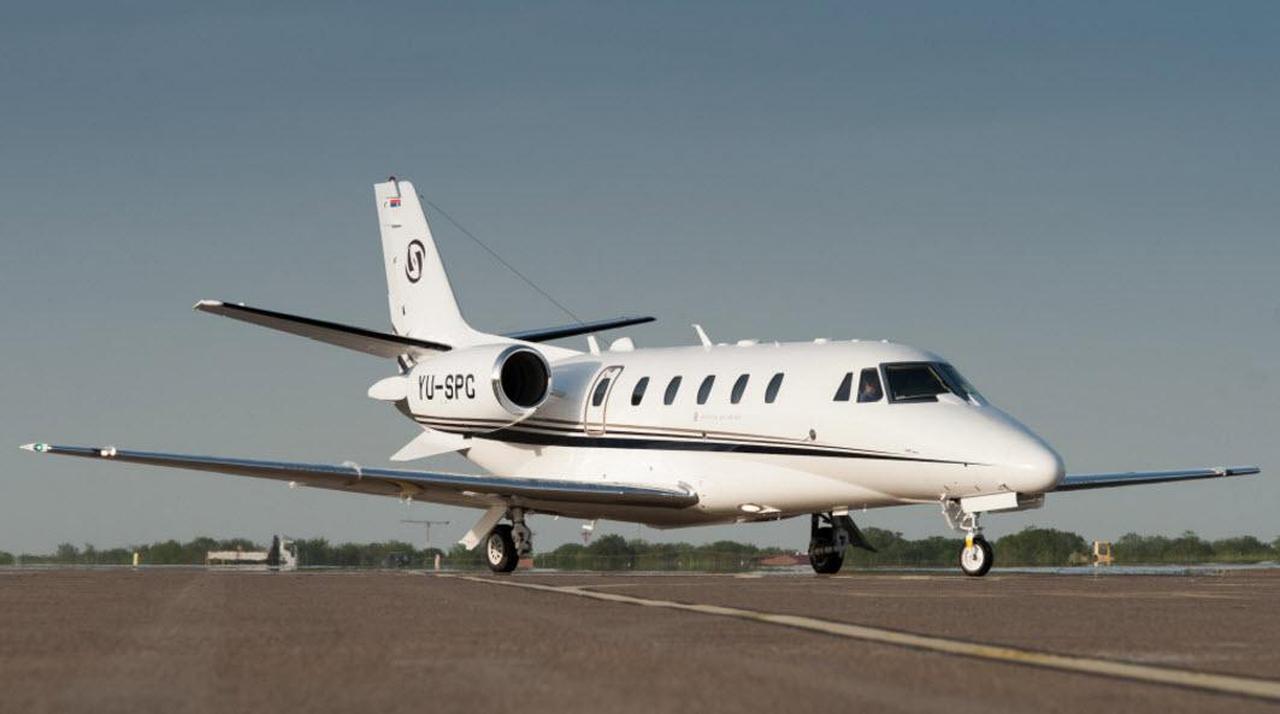
Medical assistance must be provided quickly and timely. This is why in remote areas and regions with underdeveloped infrastructure, sanitary helicopters and airplanes are used extensively. They allow for the rapid transport of individuals in need of help to medical facilities, potentially saving their lives.
However, this has not always been the case. The emergence of sanitary aviation occurred in the third decade of the 20th century.
The Emergence of Sanitary Aviation
In the USSR, the first sanitary airplanes appeared just ten years after the end of World War I. Modified standard models were actively used during the exploration and development of northern regions, in the construction of highways, etc. They were particularly useful due to the lack of paved roads that would allow for the quick and safe transport of the injured to hospitals.
During World War II, sanitary aviation was utilized, but on a relatively small scale. The most dynamic period for the development of these aircraft came in the second half of the 20th century. It was during this time that helicopters gained particular popularity. These maneuverable and compact flying machines could land even in a small forest clearing or on a snow-cleared area.
Since 1963, the formation of units for planned and emergency consultative assistance began. These units formed the sanitary aviation teams. By 1968, 164 hospitals across the USSR operated specialized helicopters like the Mi-2, as well as airplanes such as the An-2, An-28, Tu-104, and L-410.
After the collapse of the USSR, the sanitary aviation units were preserved. They began to collaborate with the Ministry of Emergency Situations of Russia. However, by 1994, the Ministry started forming its own aviation sanitary teams, which operated just as effectively.
Current State of Sanitary Aviation in Russia
Today, the sanitary aviation system includes four helicopter squads from regional centers of the Ministry of Emergency Situations, as well as a helicopter unit from the Central Military District. Additionally, some medical institutions have retained their own groups equipped with aircraft prepared for providing assistance.
The development of sanitary aviation aims to address critical issues: low levels of infrastructure development, high costs of operation and maintenance of equipment, and poorly established communication between rescuers and medical personnel.
JETVIP: Beyond the Flight
Join 12,500+ subscribers and stay ahead of the curve.
Scan toopen Telegram