


 Rent a business jet
 Rent a plane
 Group charters
 Medical Aviation
 Empty Legs
 News
News
 Articles
 Company fleet
 Fleet
Fleet
 Cities and airports


Aircraft Performance Basics for Charter Planning
Jan 18, 2026
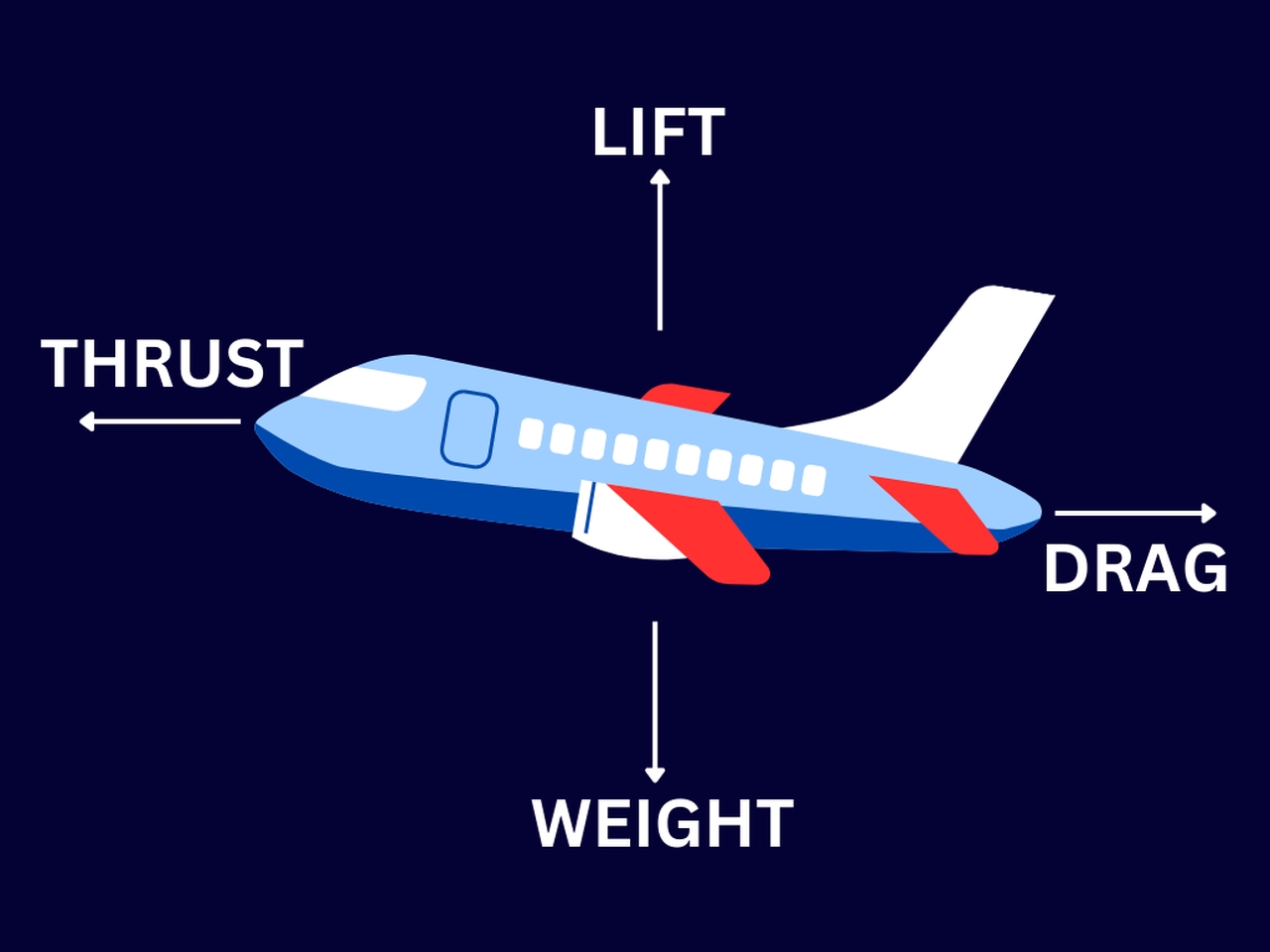
How Aircraft Performance Really Affects Private Jet Flights
When planning a private jet charter, most clients focus on aircraft type, cabin comfort, range, and price.
However, aircraft performance is the core factor that determines whether a flight will be efficient, safe, cost-effective, and on schedule.
In business aviation, aircraft performance is not just a technical concept for pilots. It directly impacts:
-
route feasibility
-
fuel stops
-
payload limitations
-
airport accessibility
-
total charter cost
This guide explains aircraft performance basics in clear terms and shows how they affect real-world charter planning.
What Is Aircraft Performance in Business Aviation?
Aircraft performance refers to how an aircraft actually operates under real conditions, not brochure specifications.
Key performance elements include:
-
takeoff and landing capability
-
climb performance
-
cruise speed and fuel efficiency
-
operational range
-
payload capacity
In charter operations, performance determines what an aircraft can realistically do, not what it can theoretically do.
Why Aircraft Performance Matters in Charter Planning
Two aircraft with similar cabin size and advertised range can produce very different charter results.
Performance affects:
-
whether a flight can be operated nonstop
-
which airports can be used
-
how many passengers and how much luggage can be carried
-
total fuel burn and flight time
This is why professional charter planning always starts with performance analysis, not aircraft marketing materials.
Published Range vs Operational Range
One of the most common misconceptions in private aviation.
Published (Marketing) Range
Manufacturers calculate maximum range:
-
with minimal payload
-
under ideal weather conditions
-
at optimal cruise settings
These numbers are useful for comparison, but rarely achievable in real charter flights.
Operational Range
Operational range considers:
-
passengers and luggage
-
real weather conditions
-
reserve fuel requirements
-
alternate airport planning
In real charter operations, usable range is often 10–25% lower than published figures.
Payload and Its Impact on Charter Flights
Payload includes:
-
passengers
-
luggage
-
catering and onboard equipment
Every kilogram of payload reduces available fuel capacity.
Real-world example:
A heavy jet capable of flying 6,500 km nonstop may:
-
fly that distance empty
-
require a fuel stop when fully loaded
This directly affects:
-
flight time
-
cost
-
passenger comfort
Runway Performance and Airport Limitations
Aircraft performance determines which airports are accessible.
Critical runway factors include:
-
runway length
-
elevation (high-altitude airports)
-
temperature
-
runway slope and surface
Hot, high, or short runways significantly reduce aircraft performance.
This is especially important for:
-
mountain airports
-
Mediterranean island airports
-
private terminals with short runways
Takeoff and Landing Performance
In charter planning, performance calculations include:
-
takeoff distance required
-
landing distance required
-
obstacle clearance
An aircraft may technically be certified for an airport but still be operationally restricted on certain days due to temperature or payload.
Fuel Efficiency and Charter Cost
Fuel is one of the largest cost components in charter pricing.
Performance affects:
-
fuel burn per hour
-
optimal cruise altitude
-
ability to avoid fuel stops
Aircraft with better performance profiles often:
-
complete routes faster
-
burn less fuel
-
reduce total charter cost
This is why newer or better-optimized aircraft can be cheaper overall, even with a higher hourly rate.
Weather and Aircraft Performance
Weather directly influences aircraft capability.
Key factors:
-
headwinds reduce range
-
tailwinds extend range
-
icing conditions increase fuel burn
-
turbulence may require altitude changes
Professional charter planning always includes weather modeling, not just route distance.
Performance Margins and Safety
Aviation regulations require:
-
fuel reserves
-
alternate airport planning
-
contingency margins
High-performance aircraft provide greater safety margins, especially on long or remote routes.
This is critical for:
-
transcontinental flights
-
overwater operations
-
flights to remote regions
Why Performance Knowledge Protects Charter Clients
Clients who understand performance basics:
-
avoid unrealistic expectations
-
understand price differences
-
make better aircraft choices
-
reduce operational risks
This knowledge prevents situations where:
-
an aircraft must refuel unexpectedly
-
luggage must be offloaded
-
departure airports need to be changed
How Professional Charter Planning Uses Performance Data
At JETVIP, charter planning always includes:
-
real operational range analysis
-
payload and fuel optimization
-
airport and runway feasibility checks
-
weather-adjusted performance modeling
This ensures:
-
accurate pricing
-
realistic scheduling
-
smooth flight execution
Choosing the Right Aircraft Based on Performance
Rather than asking “Which jet is the most luxurious?”, the correct question is:
Which aircraft performs best for my route and mission?
This approach leads to:
-
fewer delays
-
lower overall cost
-
better passenger experience
Tools That Help Clients Understand Performance
To support informed decisions, JETVIP provides:
-
a Private Jet Aircraft Catalog with real specifications
-
a Flight Cost Calculator reflecting actual route parameters
-
expert consultation to interpret performance limits
These tools help clients understand what is realistically achievable, not just what is advertised.
Key Takeaways
Aircraft performance is the foundation of successful private jet charter planning.
Understanding performance basics helps:
-
avoid unnecessary fuel stops
-
prevent last-minute aircraft changes
-
control charter costs
-
improve safety and reliability
In business aviation, performance knowledge is not optional — it is essential.
Frequently Asked Questions (SEO)
Does a higher range always mean better performance?
No. Range must be evaluated with payload, weather, and airport constraints.
Why do some flights require fuel stops despite sufficient range?
Due to payload, temperature, runway length, or safety fuel reserves.
Can aircraft performance affect charter pricing?
Yes. Performance directly influences fuel burn, routing, and operational complexity.
Final Note
Aircraft performance is one of the most misunderstood yet critical aspects of private aviation.
Working with professionals who understand these factors ensures accurate planning, transparent pricing, and reliable execution.