

 Rent a business jet
 Rent a plane
 Group charters
 Medical Aviation
 Empty Legs
 News
News
 Articles
 Company fleet
 Fleet
Fleet
 Cities and airports


How the Business Aviation Market Works: Operators, Brokers, and Aircraft Owners
Oct 05, 2025

Meta Description: Understanding the business aviation market structure: who are operators, brokers, and private jet owners, how they interact, and whom to choose for charter flights.
The business aviation market in 2025 demonstrates steady growth despite global challenges. According to industry analysts, global business aviation volumes have reached record levels, growing 2.7% in the first eight months of 2025 compared to 2024. In Russia, this segment is adapting to new realities, focusing on domestic routes and sustainable development, as noted at the RUBAE 2025 exhibition. Business aviation offers premium services: from charter flights to private aircraft ownership, providing flexibility, confidentiality, and comfort. In this article, we'll examine the market structure, the role of business aviation operators, brokers, and aircraft owners to help you navigate this dynamic sector.
Private Aviation Industry Structure: Three Key Players
The business aviation ecosystem is based on the interaction of three participant categories. Owners invest in aircraft, operators ensure their operation, and brokers connect supply and demand. Understanding each player's functions is critical for organizing safe and efficient flights.
Business Jet Owners: Motivation and Ownership Formats
Categories of Aircraft Owners
Purchasing a private aircraft is a decision made by different buyer categories, guided by their objectives.
Entrepreneurs and UHNWI (Ultra High Net Worth Individuals) purchase aircraft to save their most valuable resource—time. A private jet allows visiting three cities in different countries in one day, which is impossible using commercial flights.
Public companies integrate corporate aviation into their business infrastructure. For international holdings with headquarters in one country and production facilities in other regions, a private fleet becomes a necessity rather than a luxury.
Investors and leasing companies view business jets as an alternative asset class. With proper management, an aircraft can generate 5% to 12% annually, especially in the long-range wide-body segment.
Aircraft Ownership Models
Purchasing an aircraft for $15-70 million isn't the only path to private aviation. More flexible access schemes to aircraft exist.
Sole ownership provides absolute control over usage schedules, crew selection, and cabin configuration. However, maintenance costs reach 10-15% of the aircraft's price annually: insurance, hangar, crew, technical maintenance.
Fractional ownership involves purchasing a share from 1/16 to 1/2 in a specific aircraft. Fractional ownership programs from NetJets, Flexjet, or VistaJet guarantee access to an aircraft of a certain class with 10-24 hours' notice. The minimum share (1/16) provides 50 flight hours per year.
Syndicated ownership is widespread in Europe: several individuals or legal entities jointly purchase an aircraft through a special structure (SPV), sharing all expenses proportionally to usage.
Why Owners Transfer Aircraft to Operators
Owning an aircraft doesn't grant the right to conduct commercial transportation. This requires an Air Operator Certificate (AOC), obtaining which requires meeting strict aviation authority requirements: minimum two aircraft, certified maintenance base, quality control system, specialist staff.
The AOC acquisition process takes 9-18 months and costs €500,000 - €2,000,000 depending on jurisdiction. Therefore, 87% of owners choose the management model through a certified operator.
Business Aviation Operators: Technology and Responsibility
Aviation Operator Functions
An operator company is a competence center ensuring all aspects of commercial aircraft operation based on a government AOC certificate.
Technical support includes planning and executing all scheduled work according to manufacturer's program, spare parts management, real-time aircraft systems technical condition monitoring via satellite communication channels.
Aviation department HR functions cover commander and second pilot recruitment with necessary type rating, regular simulator training organization, medical examinations, aviation authority checks.
Flight operations—planning optimal routes considering meteorology, geopolitical restrictions, and flight economics, obtaining slots at busy airports, flight and landing permit processing, FBO service booking.
Risk management involves operator liability insurance for amounts up to $1 billion, aircraft hull insurance, passenger protection, incident management.
Compliance and audits—maintaining compliance with EASA, FAA, or other regulator standards, regular inspections, participation in voluntary safety audit programs like ARGUS, Wyvern, IS-BAO.
Private Aviation Operator Business Models
Operator activities are implemented through various strategic approaches to fleet formation.
Own asset model assumes the company purchases or leases aircraft, fully controlling their operation. Such operators typically standardize their fleet, choosing 2-3 manufacturers to simplify technical maintenance and crew training.
Aircraft management model is built on managing third-party assets. The owner signs a contract whereby the operator assumes the entire operation cycle, and the owner gets the ability to use the aircraft for personal flights and monetize available aircraft time through charter transportation.
Hybrid model combines owned and managed aircraft, allowing operators to scale offerings without capital investments in each new aircraft. Today this is the dominant strategy among Europe's top-20 operators.
Charter Flight Brokers: Opportunity Aggregators
Aviation Broker Mission
Brokerage in business aviation is a service for selecting optimal solutions from multiple alternatives. A broker doesn't operate aircraft and doesn't hold an AOC, but has contracts with hundreds of operators, access to their schedules and prices.
The world counts approximately 2,000 private aviation operators with fleets of more than 5 aircraft each. Independently evaluating the reputation, prices, and availability of such a large number of companies is physically impossible—this is where brokers enter the picture.
Competitive Advantages of Working Through a Broker
Scale of choice—a professional broker sends requests to dozens of operators simultaneously, receiving quotes for different aircraft types. This is especially critical for routes to regions with complex logistics or during high season.
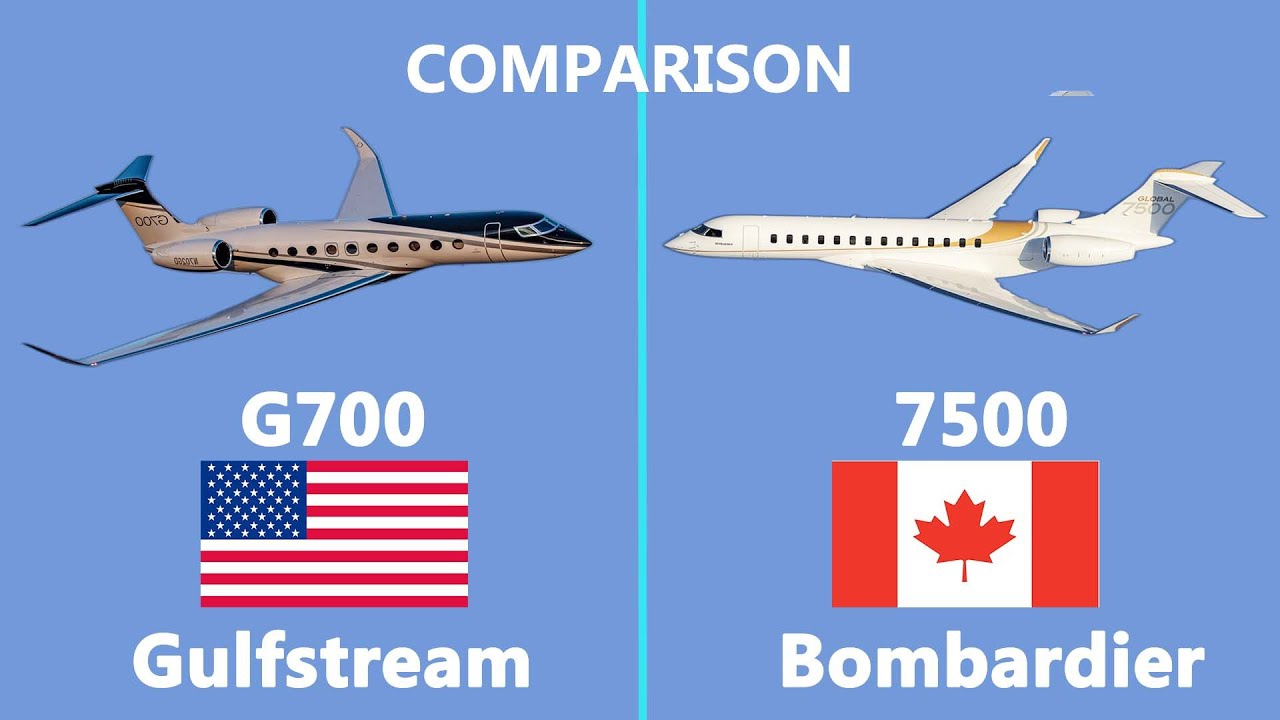
Expert market knowledge—experienced brokers know that a specific operator's Gulfstream G650 is undergoing technical maintenance, which Bombardier Global 7500 is based in Nice and available for immediate departure, which operators specialize in flights to Africa or Asia.
Budget optimization—a broker can offer an empty leg (repositioning flight) with up to 75% discount, combine a route from several segments with 20-30% savings, select an alternative airport with more favorable service conditions.
Solving non-standard tasks—transporting oversized cargo requiring a cargo door; transporting a large group of passengers simultaneously on several aircraft; medical evacuation with intensive care equipment; flights to countries with visa complications.
Process management—from the first call to aircraft boarding, the broker coordinates all details: catering, ground transportation, airport formalities clearance, last-minute route changes.
Brokerage Economics
Brokers' monetization model is built on commission from operators, which typically ranges from 2-15% of flight cost. It's critically important to understand: a professional broker doesn't mark up the price for the client above market rates but receives their share from the standard operator rate.
Quality brokers build business on repeat bookings and recommendations, so their incentive is to find the best offer, not the most expensive one.
Brokers analyze the market in real-time to offer clients the best combination of route, cost, and aircraft type. This is especially valuable when organizing urgent charter, medical flights, or flights to hard-to-reach regions.
Advantages of working with a broker:
- Quick option selection for any tasks
- Ability to compare prices from different operators
- Individual route and additional services planning
- Personal 24/7 support
Modern brokers, such as JETVIP, use technological platforms and databases uniting hundreds of private jet operators worldwide. This allows clients direct market access to business aviation without second-level intermediaries.
Interaction Mechanics: From Request to Takeoff
Let's consider a practical example of organizing a Moscow — Geneva — London flight for a delegation of 6 people.
Scenario A: Direct Contact with Operator
The client calls an operator who checks their fleet availability. If a suitable Cessna Citation XLS+ is available and based in Moscow—excellent. If aircraft are busy or located in other cities, the operator may decline or offer an aircraft with repositioning, increasing cost by 30-60%.
Scenario B: Working with a Broker
The broker simultaneously requests proposals from 15-20 operators. Within 2-3 hours, the client receives 5-7 options: from economical Legacy 450 to premium Challenger 350, with different prices and delivery times. The broker provides operator safety reports, interior photos, review history.
After selection, the broker books the aircraft, coordinates catering details, organizes fast track at the airport, confirms landing permits in Geneva and London, sends the client an itinerary with crew contacts and emergency line numbers.
Scenario C: Own Aircraft Under Management
The owner of a corporate Embraer Praetor 600 transferred to operator management simply notifies about aircraft usage. The operator plans the flight, prepares the crew, organizes everything necessary. If the aircraft is undergoing scheduled maintenance, the operator provides a replacement from their fleet at a preferential rate.
Flight Safety: Responsibility Distribution
Safety is priority number one in aviation. Legal and operational responsibility for each flight lies exclusively with the operator company holding the AOC certificate.
The operator guarantees:
- Aircraft airworthiness according to manufacturer and regulator requirements
- Pilot qualifications and current medical certificates
- Compliance with crew duty time limits
- All insurance policies with current dates
- Safety procedures execution according to Operations Manual
The broker's role in safety is operator pre-selection. Professional brokers work only with companies having impeccable history, current AOC, high ratings in independent safety audit systems.
Three main operator safety assessment systems:
- ARGUS (Aircraft Research Group of the United States)—industry gold standard
- Wyvern Wingman/Registered—comprehensive operations audit
- IS-BAO (International Standard for Business Aircraft Operations)—IBAC program
Clients are recommended to request information about these certifications from brokers or operators before booking.
Aviation Broker Selection Criteria
Brokerage service quality is determined by specific factors:
Market Position
- Market experience (preferably 5+ years)
- Annual request processing volume
- Operator network breadth (minimum 50-100 partners)
- Offices or representatives in key regions
Service Model
- Personal manager with direct phone number
- 24/7/365 support for emergencies
- Team language competencies for international flights
- Experience organizing flights to non-standard destinations
Process Transparency
- Providing options from multiple operators for comparison
- Honest information about offer source
- Detailed estimate with all price component breakdown
- Written booking confirmations with conditions
Additional Expertise
- Visa and permit assistance
- Customs consultations
- Door-to-door complex route organization
- Local specifics knowledge (best FBO, VIP terminals, restrictions)
How Operators, Brokers, and Owners Interact
The business aviation market workflow looks like this:
- Owner transfers aircraft to operator for management and technical maintenance
- Operator registers aircraft under their AOC and clears it for flights
- Broker receives information about available flights and offers them to clients
- Client books flight and receives full turnkey service
This is a unified ecosystem where everyone plays their role. Without operators, there are no licensed aircraft; without brokers—no flexibility and choice; without owners—no fleet itself.
Financial Aspects: Approximate Costs
Understanding business aviation economics helps make informed decisions.
On-Demand Charter (hourly rates):
- Turboprop (Pilatus PC-12): €2,000 - 3,000/hour
- Light jet (Citation CJ3): €3,500 - 5,000/hour
- Midsize jet (Hawker 900XP): €5,000 - 7,000/hour
- Super midsize (Challenger 350): €6,500 - 9,000/hour
- Heavy jet (Gulfstream G550): €9,000 - 14,000/hour
- Ultra long-range (Global 7500): €14,000 - 18,000/hour
Fractional Ownership (1/16 share):
- Share purchase: from €600,000
- Monthly fee: €8,000 - 15,000
- Flight hour cost: €4,000 - 10,000
- Minimum: 50 hours per year
Jet Card Programs:
- Deposit: from €100,000 (typically 25 hours)
- Deduction: by actual flight time
- Validity: 12-24 months
- Advantage: fixed rates without surge pricing
Full Ownership:
- Acquisition: €10M - 70M
- Annual maintenance: 8-15% of aircraft cost
- Depreciation: 5-7% per year
- Charter monetization opportunity: 30-60% expense compensation
Conclusion: Informed Choice in Business Aviation
The private flight market is a complex ecosystem with clear role division. Owners create supply by investing in assets. Operators ensure safe and legal operation, bearing full responsibility for each flight. Brokers aggregate the market, providing clients with choice from thousands of options and expert support.
The industry's key principle is safety through professionalism. Regardless of chosen aircraft access model, it's critical to work only with companies having impeccable reputation, current certifications, and transparent processes.
For occasional flights, a broker with a wide operator network is optimal. For regular use—jet card or fractional ownership. For intensive transportation from 300 hours per year—consider purchasing your own aircraft with management transfer.
JETVIP combines deep aviation broker expertise with direct access to premium operators in all world regions, offering clients individual solutions for any tasks in the private flight segment. Our team ensures transparency at every stage—from request to boarding, guaranteeing safety, punctuality, and highest-level service.