

 Rent a business jet
 Rent a plane
 Group charters
 Medical Aviation
 Empty Legs
 News
News
 Articles
 Company fleet
 Fleet
Fleet
 Cities and airports


The Philosophy of the Private Sky: An Insider’s Guide to Business Aviation
Feb 06, 2026
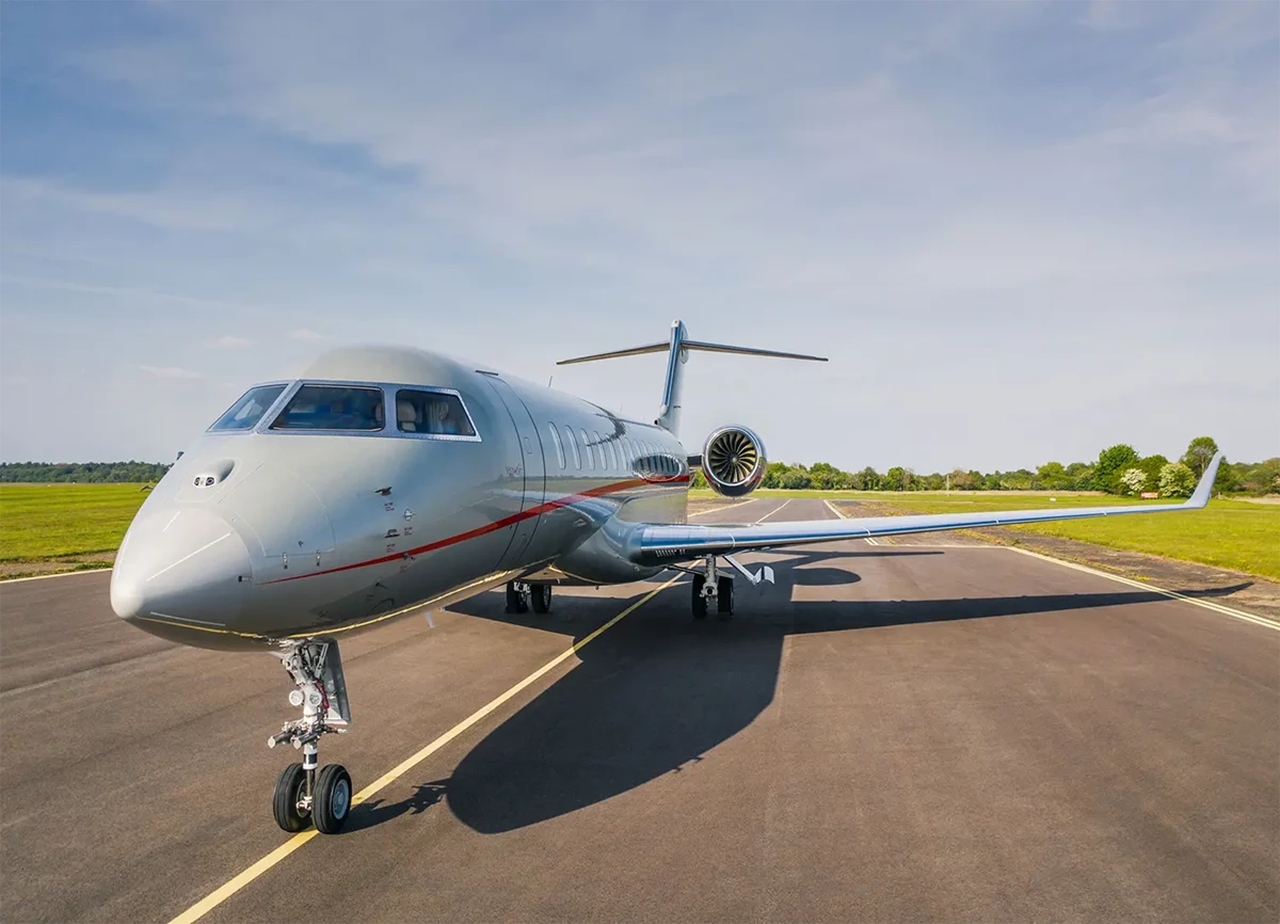
To the uninitiated, private aviation is defined by champagne and leather interiors. But look beneath the surface, and you’ll find a high-stakes ecosystem where mathematical precision meets bespoke luxury. In this guide, we explore the mechanics of the "private sky" and how to master its tools for your strategic advantage.
1. The Logistics of the Impossible: How a Flight is Born
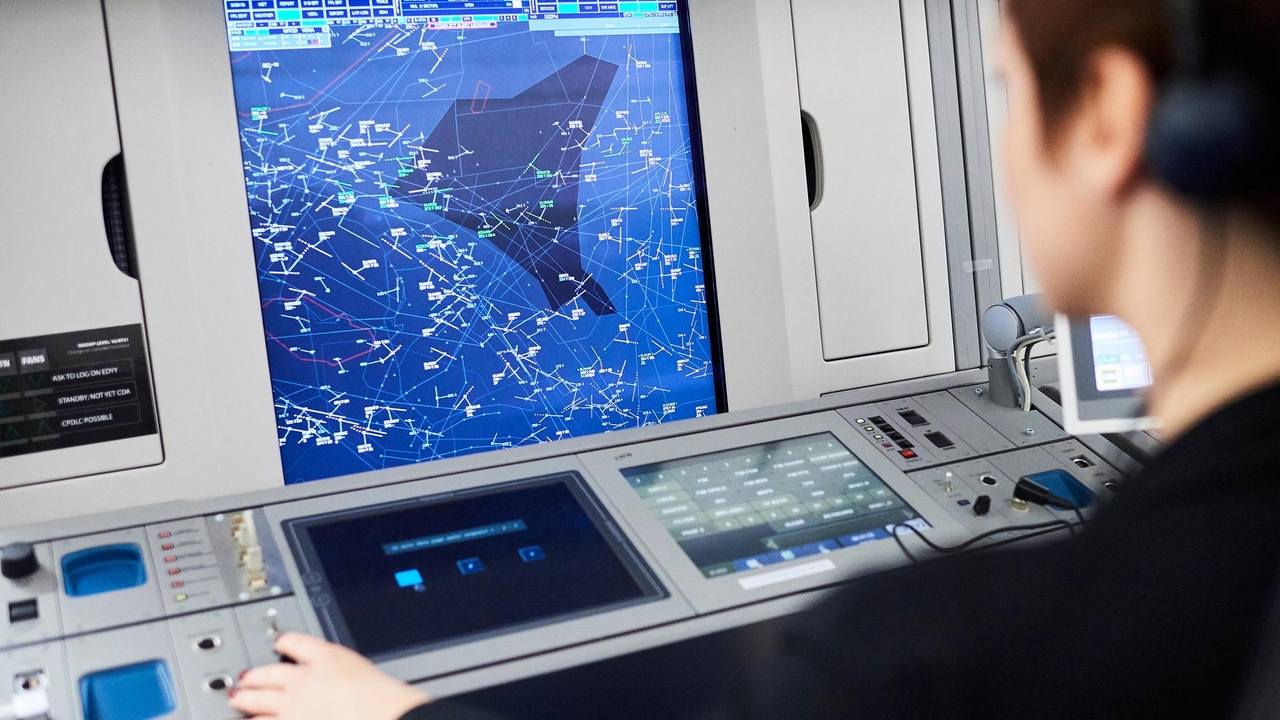
Preparing a private flight is akin to a mission-control operation. When a client decides to book a private jet, a global machinery of brokers, dispatchers, and ground handlers is set in motion.
-
Slots and Overflight Permits: Taking off isn't just about a pilot and a plane. It requires securing "slots" at busy hubs and obtaining diplomatic permits for international corridors. JETVIP’s operations team often secures these in under 120 minutes for "Go-Now" missions.
-
The Elite Crew: Business aviation pilots undergo rigorous Type Rating training every six months in full-motion simulators, mastering landings at challenging airports like St. Moritz (Samedan) or London City.
2. Choosing Your Tool: The Anatomy of a Fleet
A private jet is not a luxury; it is a precision instrument tailored to a specific mission. Choosing the wrong aircraft can lead to unnecessary costs or technical limitations.
Our aircraft catalog features hundreds of models, but they generally follow three distinct philosophies:
-
Light Jets (e.g., Phenom 300, Pilatus PC-24): The "Sprinters." Designed for 2–3 hour hops. Their agility allows them to land on shorter runways, bringing you closer to your final destination than any commercial airliner.
-
Midsize & Super-Midsize (e.g., Challenger 350, Praetor 600): The "Gold Standard." These offer a stand-up cabin, a full galley, and enough range to cross continents in total comfort.
-
Ultra Long Range (e.g., Global 7500, Gulfstream G650): The "Stratospheric Offices." With ranges exceeding 14,000 km, these jets feature master bedrooms, showers, and advanced air filtration systems that refresh the cabin air every two minutes.
3. A World Without Hubs: Accessing 10,000+ Destinations
The fatal flaw of commercial aviation is its reliance on "hub-and-spoke" models. Business aviation shatters this limitation. By browsing our airport catalog, you will discover thousands of secondary airports and FBOs (Fixed Base Operators) hidden from the general public.
Industry Insight: In the US and Europe, over 80% of private flights utilize small regional airports. This saves passengers an average of 3 to 5 hours in ground transit time by bypassing major metropolitan traffic.
4. The Intelligence of "Empty Legs": Luxury Reimagined
There is a common misconception that private flying is exclusively for the billionaire class. However, the industry’s most efficient secret is the Empty Leg system.
When an aircraft returns to its home base after a one-way mission or flies to pick up its next passenger, the flight is marketed at a 70–75% discount. For the flexible traveler, an Empty Leg offers the opportunity to experience a Heavy Jet for the price of a commercial Business Class ticket.
5. Gastronomy at 45,000 Feet
Catering on a private jet is a battle against physics. At high altitudes, human taste buds lose approximately 30% of their sensitivity due to low humidity and pressure.
-
The Chef’s Secret: High-altitude menus are designed with bolder flavors and moisture-rich sauces to compensate for the dry cabin air.
-
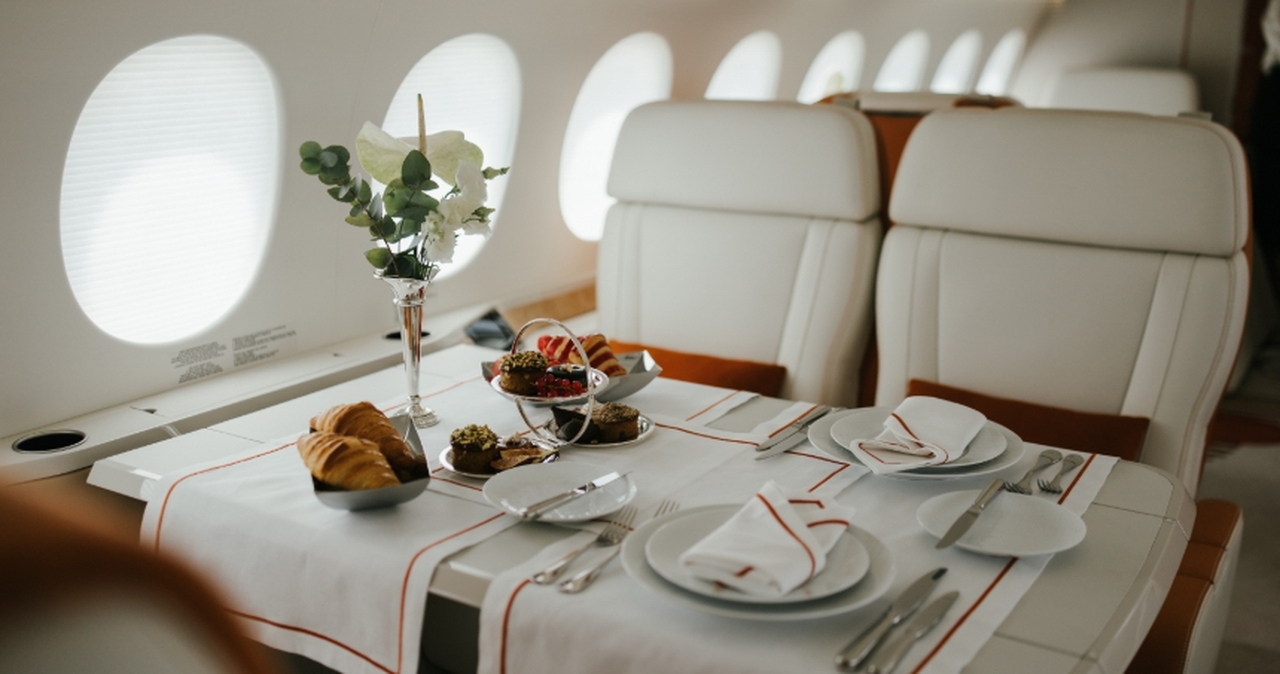
Bespoke Logistics: Whether it is Michelin-starred cuisine from a specific Parisian restaurant or a specialized diet for a beloved pet traveling in the cabin, the "Impossible Request" is our standard operating procedure.
Conclusion: Reclaiming the Asset of Time
Ultimately, private aviation is not about status—it is about sovereignty over your time. In a world of volatile schedules and airport chaos, a private jet remains the only "island of stability."
Ready for Departure?